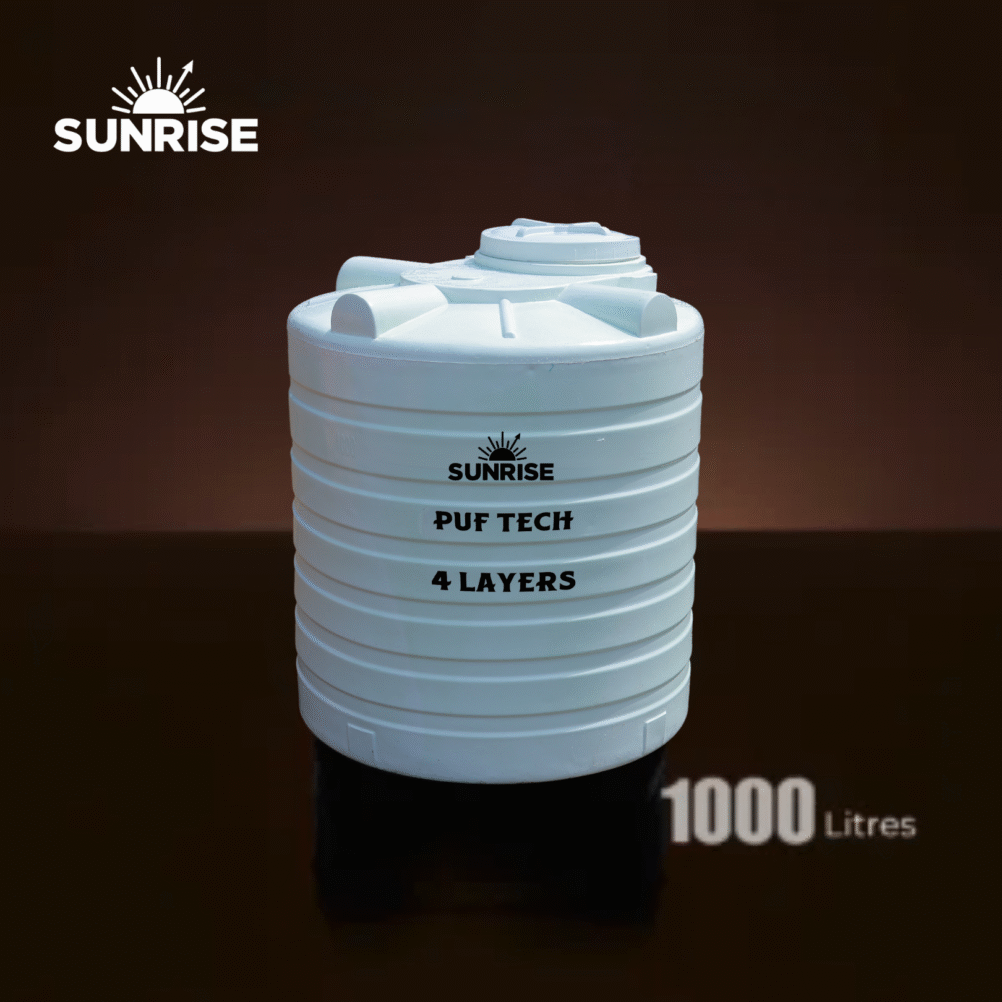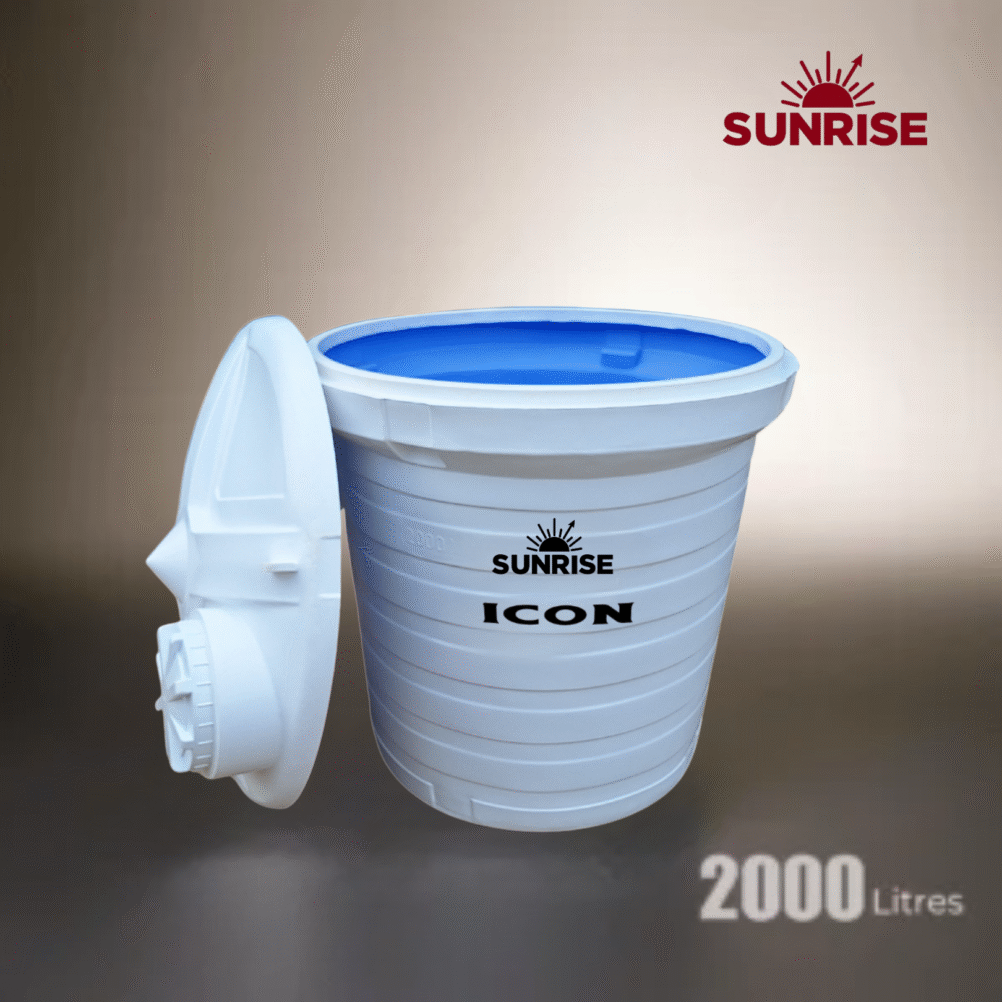

Overhead water tanks are a crucial component of any water storage system, providing a reliable source of clean water for various applications. With numerous types of tanks available in the market, selecting the right one can be overwhelming. In this blog, we’ll explore the different types of overhead water tanks, their pros and cons, and recommend the best type for specific industries.
Types of Overhead Water Tanks
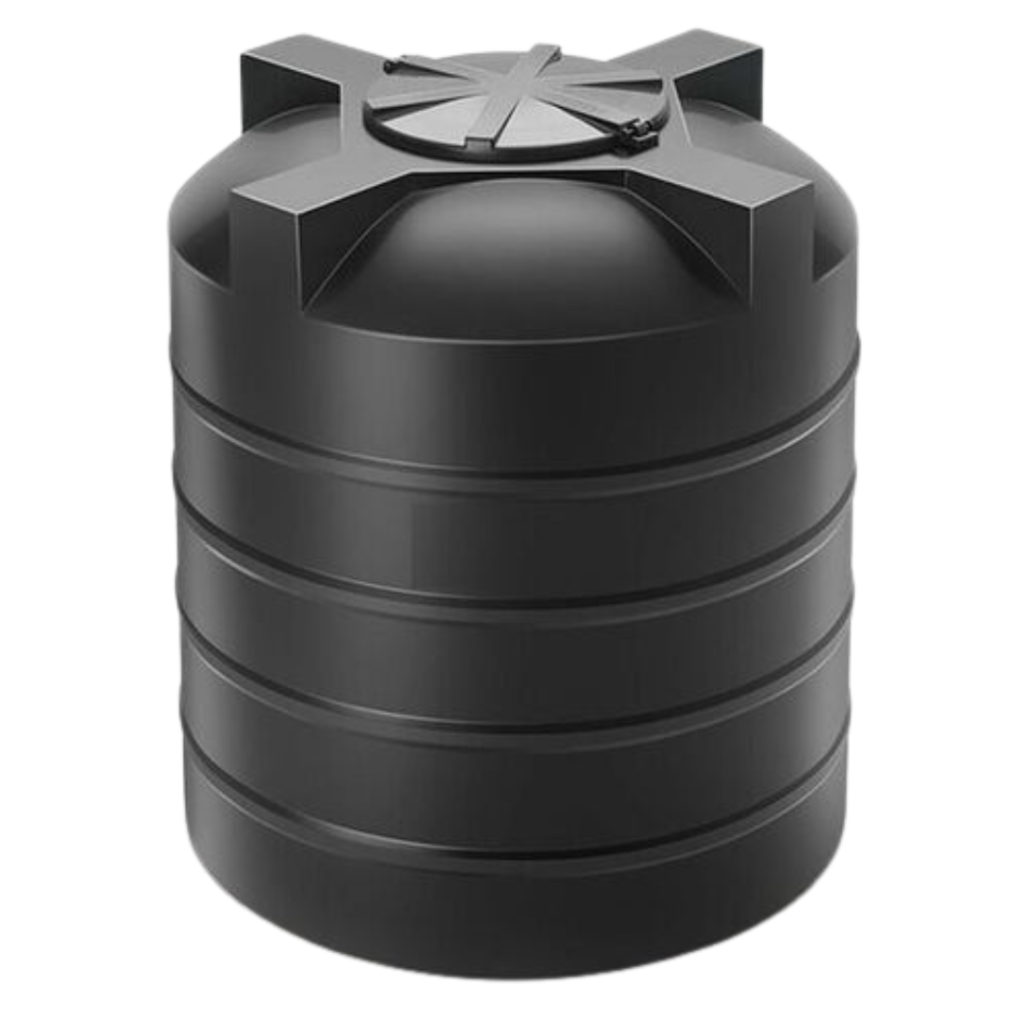
- Plastic Tanks: Made from polyethylene or polypropylene, these tanks are lightweight, durable, and resistant to corrosion. They’re ideal for storing water and other non-toxic liquids.
Pros:
- Affordable and cost-effective
- Easy to install and transport
- Resistant to corrosion and chemical reactions
- Available in various shapes and sizes
Cons:
- May degrade over time due to UV exposure
- Prone to scratches and cracks
- May require additional support for large capacities
- Can be affected by extreme temperatures
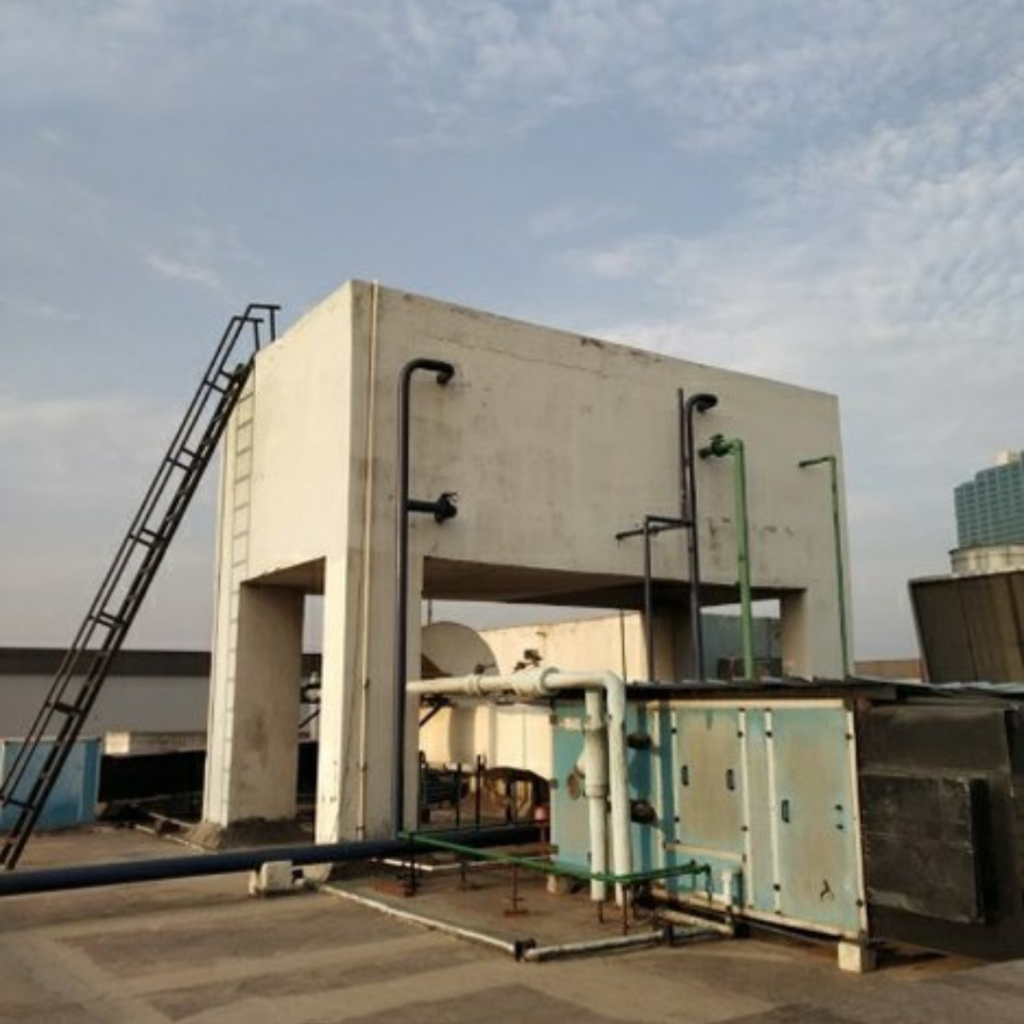
Cement Tanks: Constructed from concrete, these tanks are robust and long-lasting. They’re suitable for large-scale water storage applications.
Pros:
- Durable and long-lasting
- Can withstand harsh weather conditions
- Cost-effective for large capacities
- Can be customized to fit specific requirements
Cons:
- Heavy and requires a strong foundation
- Requires regular maintenance to prevent leakage
- Prone to cracking and structural damage
- May leach chemicals into the stored water
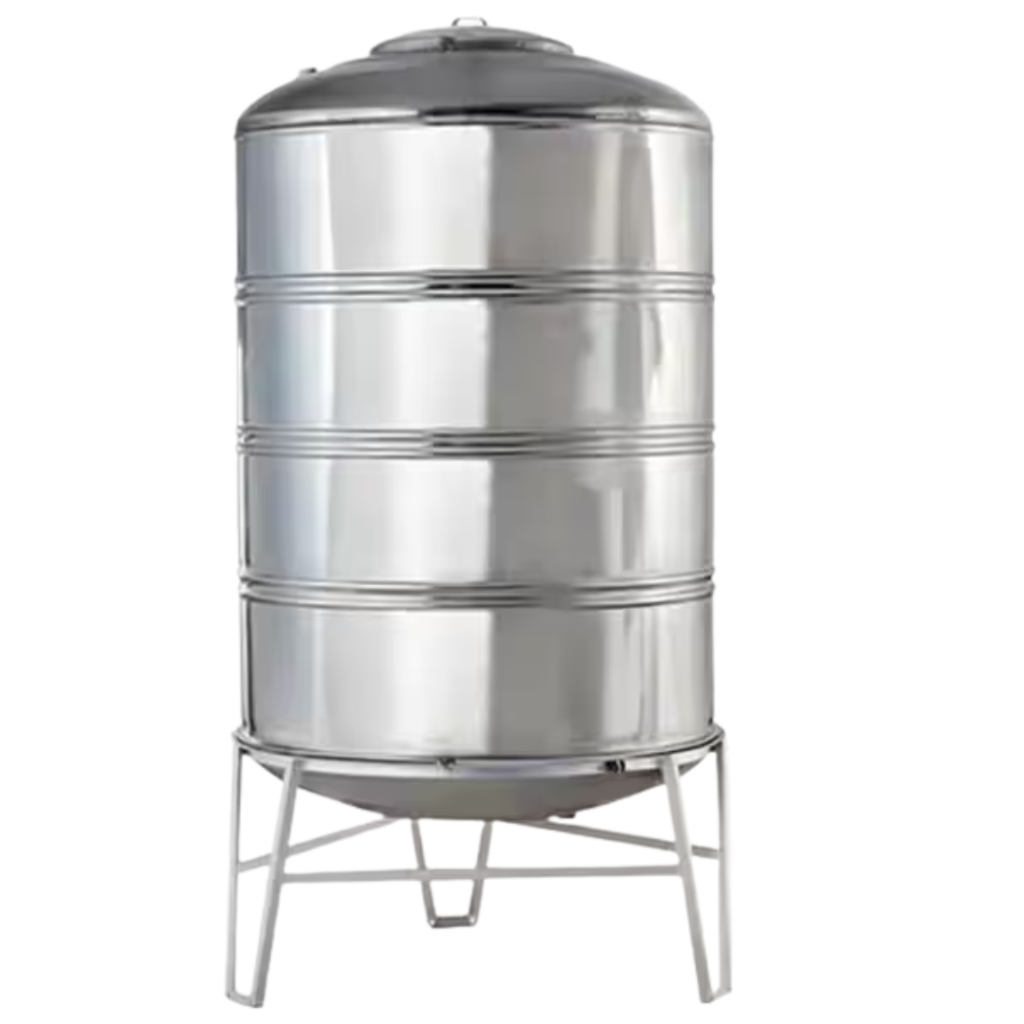
Stainless Steel Tanks: Made from corrosion-resistant stainless steel, these tanks are perfect for storing potable water and other liquids that require high purity.
Pros:
- Durable and resistant to corrosion
- Easy to clean and maintain
- Suitable for storing potable water and food products
- Can withstand high temperatures and pressures
Cons:
- Expensive compared to other materials
- May require welding and fabrication
- Can be prone to scratches and denting
- May require additional coatings for specific applications
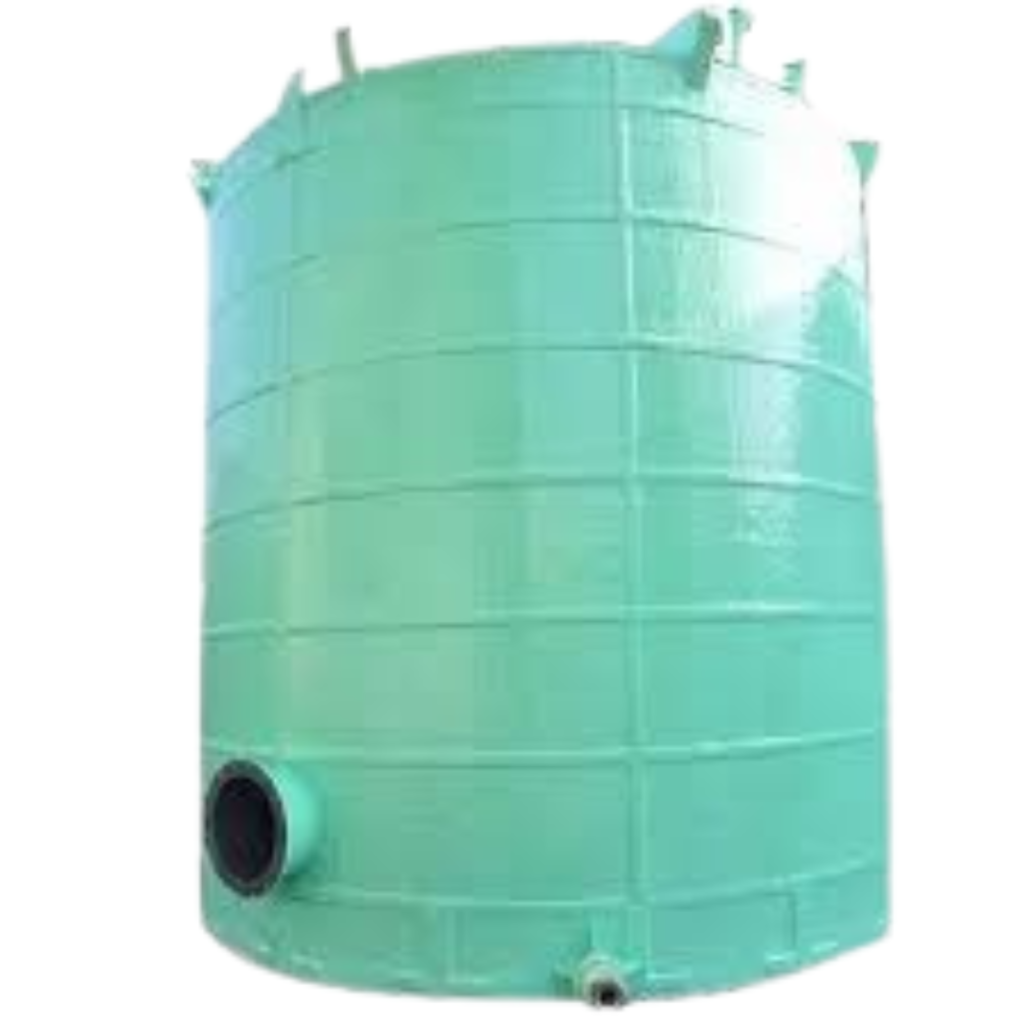
- Fiber-Reinforced Plastic (FRP) Tanks: Constructed from a composite material of glass fiber and resin, these tanks offer excellent corrosion resistance and durability.
Pros:
- Lightweight and easy to transport
- Corrosion-resistant and suitable for storing chemicals
- Durable and long-lasting
- Can be customized to fit specific requirements
Cons:
- May be prone to scratches and cracks
- Requires special handling and installation
- Can be affected by extreme temperatures
- May require additional coatings for specific applications
Industry-Specific Recommendations
- Residential and Commercial : Plastic tanks are suitable for small-scale water storage applications, while stainless steel tanks are ideal for high-end residential and commercial projects that require pure water storage.
- Industrial : FRP tanks are recommended for industries that handle chemicals and wastewater, while cement tanks are suitable for large-scale water storage applications.
- Agricultural : Plastic tanks are ideal for irrigation and livestock watering systems.
Importance of Water Tank Maintenance
Regardless of the type of tank chosen, regular maintenance is crucial to ensure the stored water remains clean and safe for use. This includes:
- Regular cleaning and inspection
- Checking for signs of damage or wear
- Ensuring proper ventilation and drainage
- Preventing contamination from external sources
Introducing Sunrise Tanks
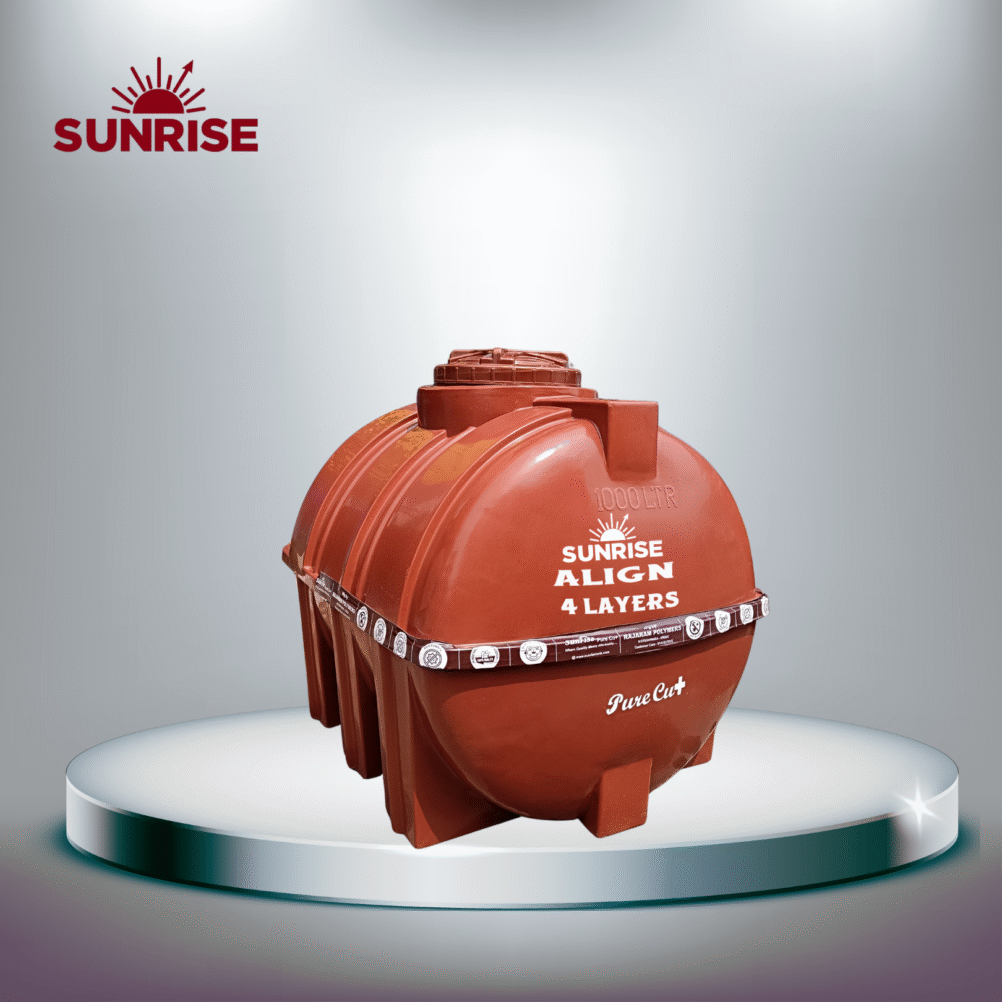
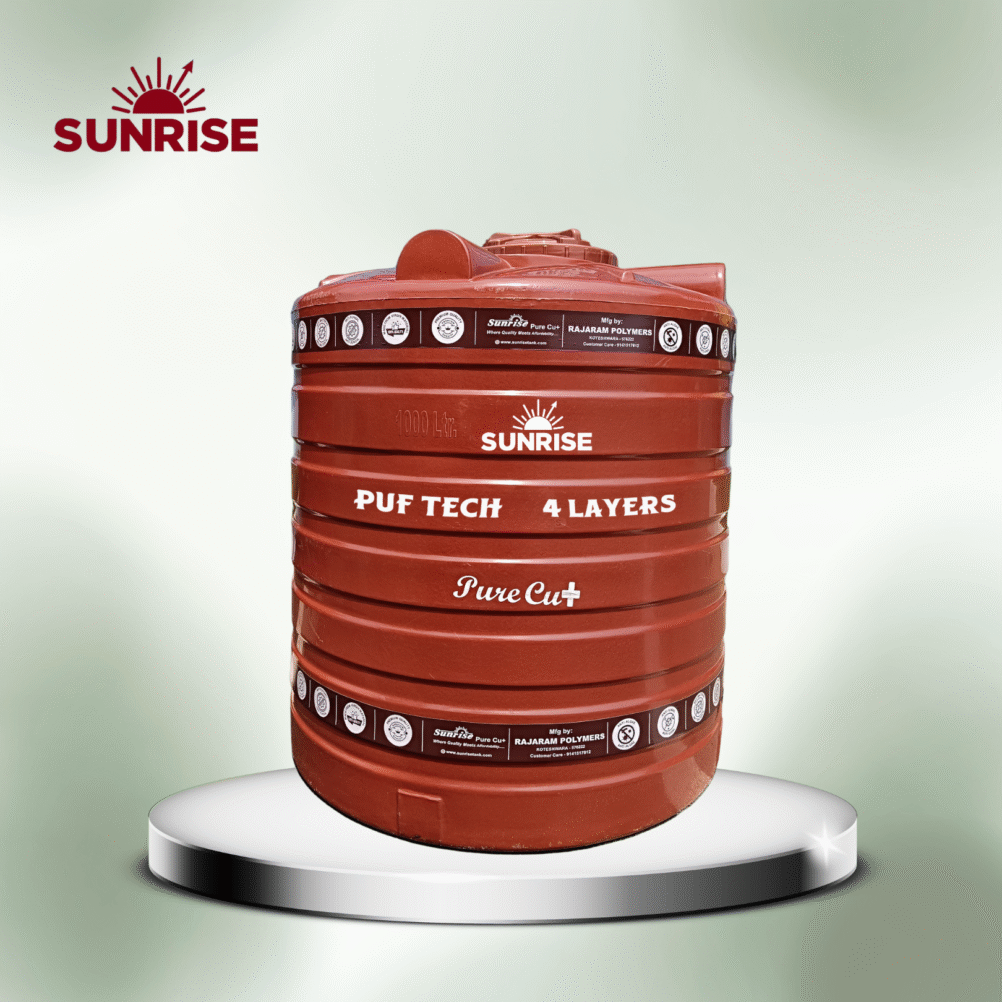
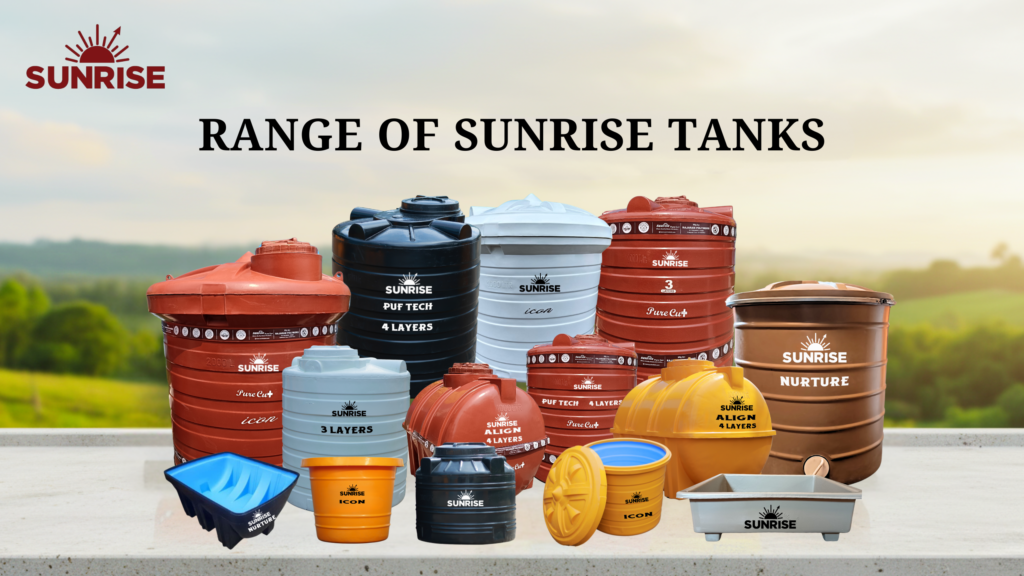
Rajaram Polymers, a leading manufacturer in Karnataka, introduces Sunrise Tanks, a range of high-quality plastic water tanks made from food-grade LLDPE material. These tanks are designed to provide safe and clean water storage solutions for various applications.
Features of Sunrise Tanks
- Food-Grade Material: Made from LLDPE material, ensuring safe storage of potable water.
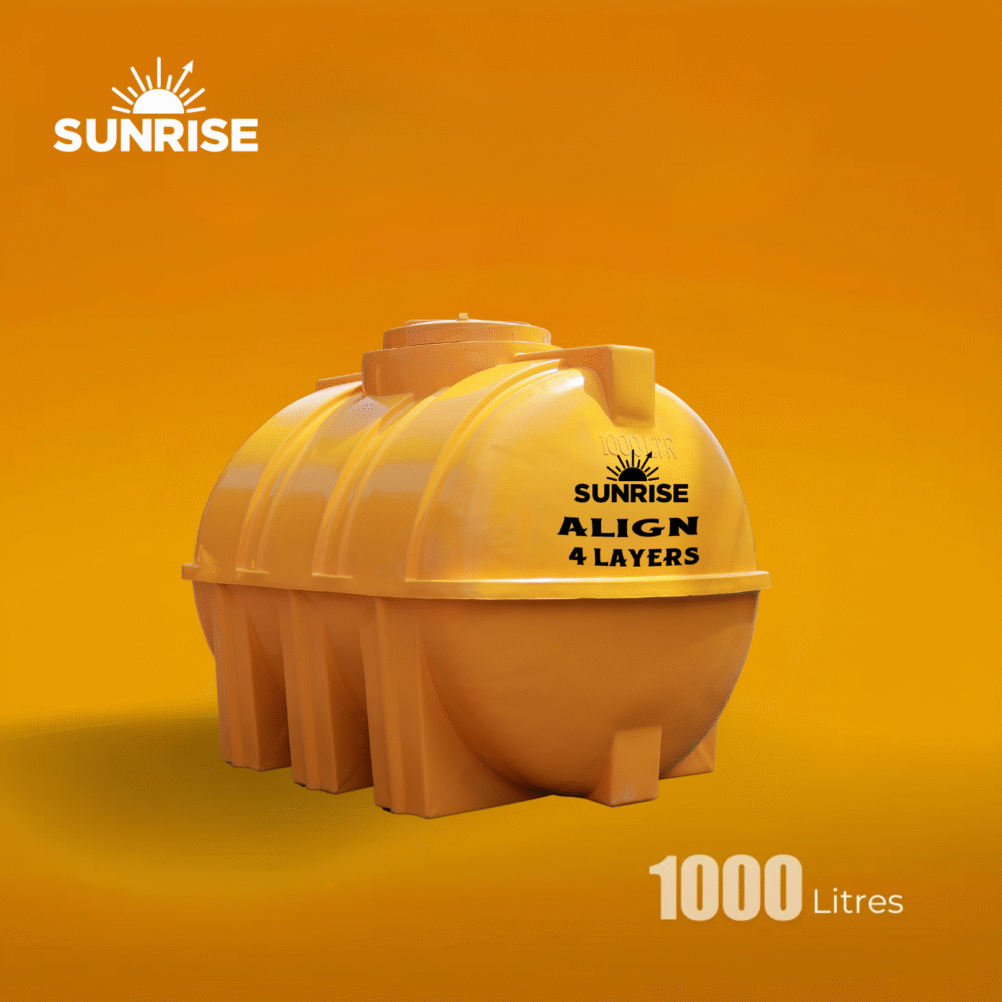
- Multi-Layered Tanks: Available in 2, 3, and 4 layers, providing added strength and durability.
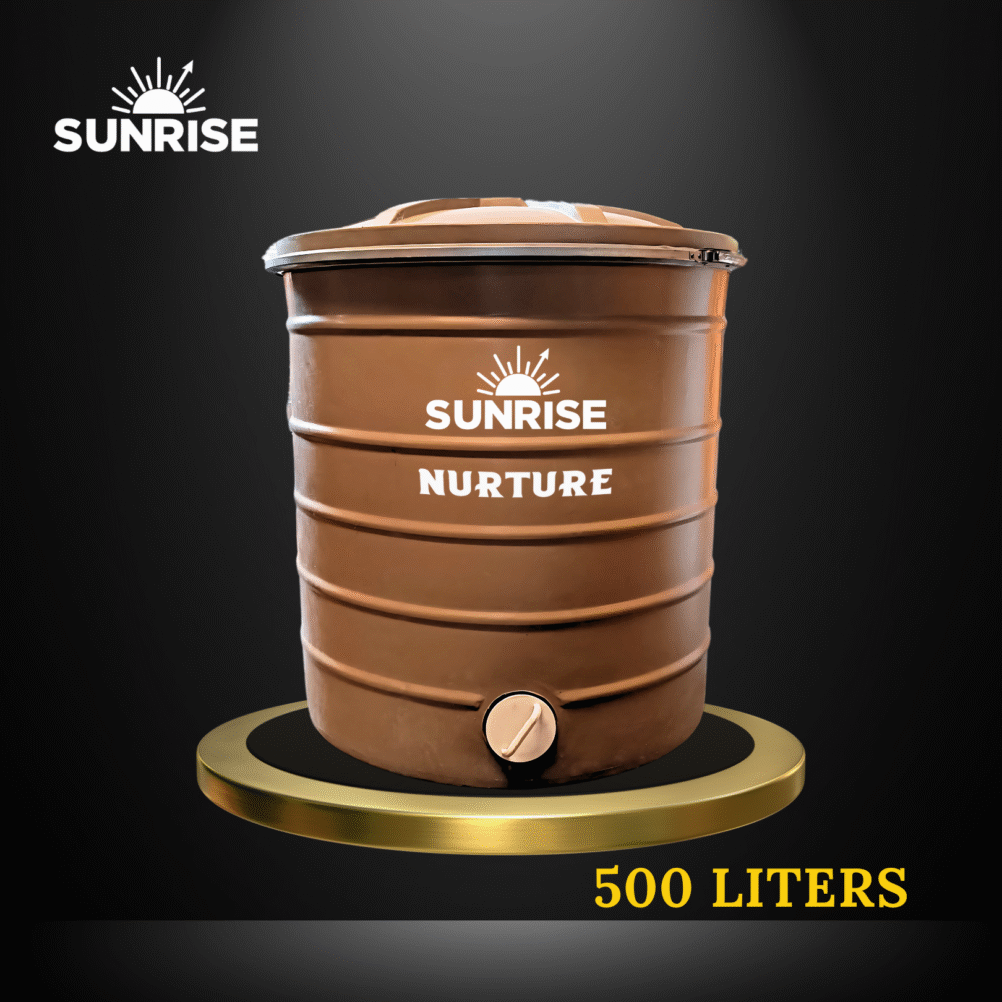
- Variety of Types: Offers vertical, horizontal, open-top, and copper-infused plastic water tanks to cater to different needs.
- Wide Range of Capacities: Available in sizes from 200 liters to 5000 liters, suitable for various applications.
Why Choose Sunrise Tanks?
- Durability: Made from high-quality food-grade plastic, ensuring long-lasting performance.
- Safety: Designed to store potable water, ensuring safe drinking water for communities.
- Versatility: Offers a range of tank types and capacities to suit different applications.
- Corrosion Resistance: Resistant to corrosion and chemical reactions, ensuring the stored water remains safe.
- Easy Maintenance: Designed for easy cleaning and maintenance, reducing the risk of contamination and ensuring the stored water remains safe and clean. The smooth interior surface of the tanks prevents the growth of bacteria and algae, making it easier to maintain hygiene and water quality.
- UV Resistance: Manufactured with UV-stabilized material, ensuring the tanks withstand harsh sunlight and weather conditions.
- Customization Options: Available in various shapes, sizes, and configurations to fit specific requirements.
- Environmentally Friendly: Made from recyclable materials, reducing the environmental impact of the tanks.
Conclusion
When it comes to overhead water tanks, selecting the right type is crucial for ensuring safe and clean water storage. Sunrise Tanks, manufactured by Rajaram Polymers, offer a reliable solution for various applications. With their food-grade material, multi-layered construction, and variety of types, Sunrise Tanks are an excellent choice for industries and communities seeking high-quality water storage solutions.
What type of overhead water tank do you think is best suited for your needs? Share your thoughts in the comments below!